A Race Against Rising Waters
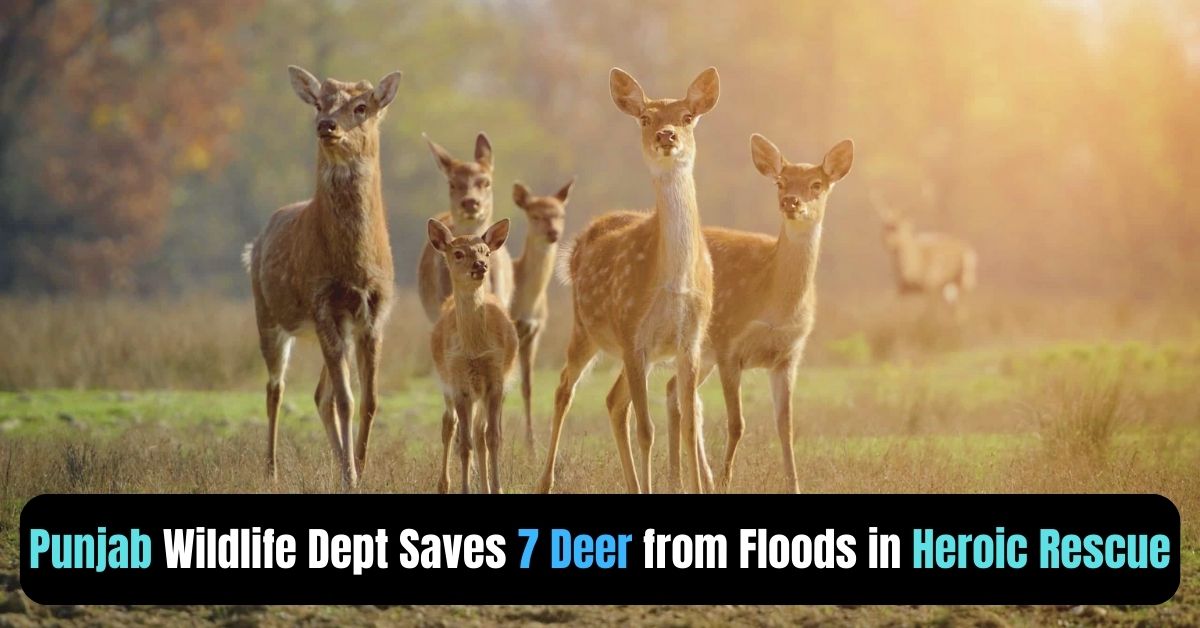
As the high flood has swept many families, destroyed crops, and displaced the wildlife of the region as well. The wildlife of the Punjab is in danger, and the department of wildlife has been lit as the beacon of hope in this chaos. In a very hard effort he 7 deer were rescued from the flood across multiple districts. The saving of drowned deer in the floodwater showcased the commitment of the government to the protection of both animals and human beings’ lives. This article is supposed to inspire the wildlife rescue operations by offering insights into the challenges faced, heroic efforts, and the ways for you to support the animals during the natural disasters.
The Flood Crisis: A Threat to Punjab’s Wildlife
The recent floods in Punjab have wreaked destruction on homes, farmlands, and the natural habitats of the birds, reptiles, and other animals. Particularly, the living things that were very close to the rivers have been swept away by the sudden rising levels of the water, sweeping the sehlerters as well as the food. According to the expert on wildlife, the long-term survival of hog deer and chital has been threatened by these floods. These species were native to the region, but the destruction of these animals’ habitat, and many other species, led to the critical rescue operations.
Key Impacts of Floods on Wildlife
- Habitat Loss: Floodwaters have inundated forests and grasslands, displacing deer and other species.
- Food Scarcity: Washed vegetation has left animals struggling to find food and leading to starvation.
- Injury Risks: Trapped or stranded animals facing numerous injuries from debris or drowning.
Punjab Wildlife Department’s Rescue Mission
The Punjab Wildlife Department is under the leadership of Additional Director General Syed Kamran Bukhari, who launched a province-wide emergency operation to protect flood-affected wildlife. The team is equipped with ambulances, experienced veterinary staff, and temporary mobile camps. The wildlife department is working tirelessly and endlessly to rescue and rehabilitate animals as soon as possible.
Notable Deer Rescues
- Sialkot (August 26, 2025): A pair of deer was totally saved from the tremors of the flood.
- Narowal: An injured and pregnant deer received urgent medical treatment to ensure the safety of the unborn deer.
- Shakargarh: A young male deer was relocated to a secure habitat after the flood.
- Muridke, Wazirabad, and Mandi Bahauddin: Four additional deer were rescued, bringing the total to seven.
Maryam Aurangzeb, Senior Provincial Minister, emphasized the moral, right, and constitutional duty to protect wildlife, stating, “The lives of animals are just as precious as human lives.” Her words highlighted the government’s dedication to animal welfare during this flood-sweeping natural disaster.
Behind the Scenes: How Wildlife Rescues Work
Rescuing animals from floodwaters is full of risk, not an easy responsibility. The Punjab Wildlife Rangers adopt different strategic approaches to ensure the safety of themselves during the rescue operation and of stranded wildlife:
- Scouting and Identification: Ranger uses drones and local reports of civilians to locate stranded nervous animals.
- Rescue Operations: The rescue teams are equipped with boats to estimate and navigate dangerous waters to reach affected animals.
- Veterinary Care: Injured animals are treated on-site with first aid and sometimes transported to temporary camps for further critical treatment.
- Relocation: After providing the first aid, the rescued animals are moved to safe habitats with adequate food and shelter. The food is enough till they are able to hunt.
Challenges Faced by Rescue Teams
- Treacherous Conditions: The fast-moving floodwaters, winds, and debris pose serious risks to both animals and rescuers.
- Limited Resources: The government is providing the resources to the rescuers. Despite limited resources, the rescuers are leveraging and providing relief to flood-affected entities.
- Time Sensitivity: The time in this critical time is very important; unnecessary delay of the time can lead to the death and serious injury of the stranded animals.
Why Wildlife Rescue Matters
The whole ecosystem has been affected by the way humans live in recent natural disasters. Due to this disruption the several species have been endangered that had played vital roles in the biodiversity. The species that maintain the biodiversity are at risk. The ecosystem of the Punjab could have cascading effects due to the loss of these animals.
Expert Insights
The biologist Dr. Ayesha Khan, an expert in wildlife who has deeply studied the Punjab’s ecosystems for more than a decade, warned by stating, “The floods are a wake-up call. If we don’t act now, we risk losing species critical to our environment.” Her deep research has been published in the Journal of Wildlife Conservation (2024), which highlights that habitat loss can exacerbate extinction risks for deer and other species.
Also Read: Kohat Attack: Police Hero Martyred, Three Terrorists Neutralized in Intense Shootout
How You Can Help Flood-Affected Wildlife
The Punjab Wildlife Department’s efforts are inspiring, but public support is crucial. Here are actionable ways to contribute:
- Donate to Wildlife Organizations: Support local NGOs like the Punjab Wildlife Conservation Fund.
- Volunteer: Join community efforts to assist in rescue and rehabilitation programs.
- Raise Awareness: Share stories of wildlife rescues on social media to inspire others.
- Adopt Sustainable Practices: Reduce your environmental footprint to mitigate future climate-related disasters.
FAQs About Wildlife Rescue During Floods
-
How are deer affected by floods?
Many deer lose their habitats, sources of food, and are trapped or injured in huge floodwaters.
-
What species of deer are native to Punjab?
Common species include the chital (spotted deer) and hog deer, both became vulnerable to habitat loss and severe injuries.
-
How can I report a stranded animal?
Contact the Punjab Wildlife Department (online portal) hotline or local authorities with the animal’s location.
-
Are rescue operations safer for animals?
Yes, trained professionals use experienced methods to ensure the safety of animals and their own safety during rescues.
Call to Action: Join the Fight to Save Wildlife
Countless efforts to save the deer from the non-stop floodwaters have been made by the Punjab Wildlife Department. These tireless struggles to save the affected animals are reminding us of our duty to save lives during natural crises. Share this story to spread awareness in order to keep others safe from natural disasters. Together, we can aware to make a safer future.

Discover more from AlertsU.Com
Subscribe to get the latest posts sent to your email.