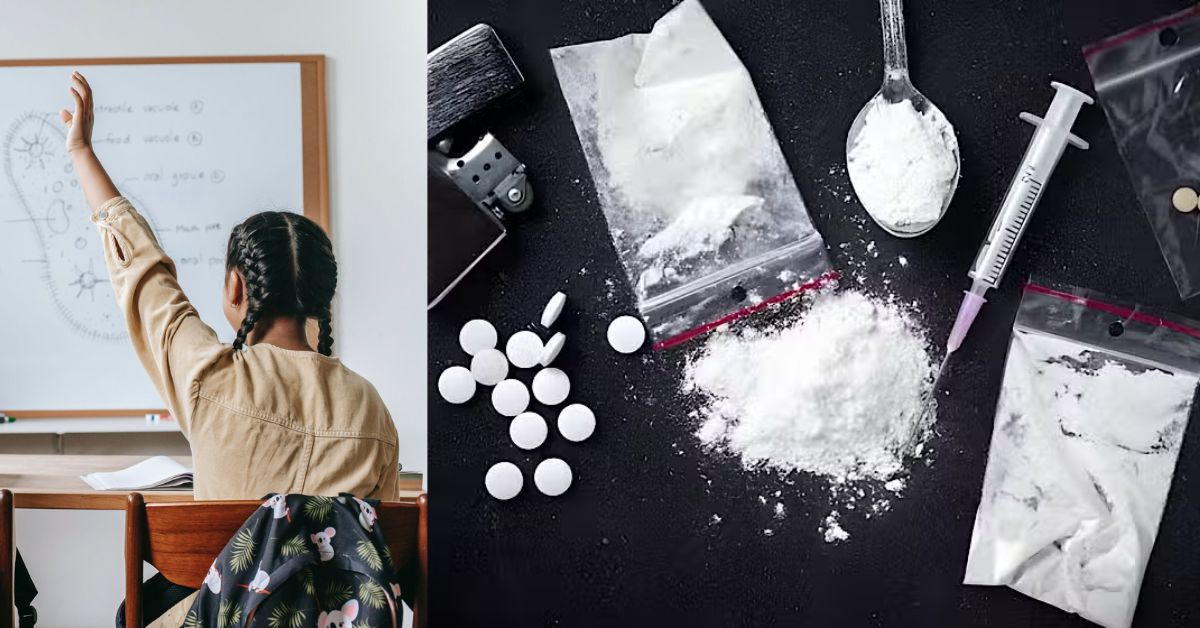
The Islamabad High Court has warned the principals against strict action if drugs are supplied to the educational institutions. If the drugs are ever found, supplied, caught, or used in school, criminal charges will be faced. This bold move has raised concerns over narcotics in federal schools and colleges, and the policy is being tightened to curb the growing drug problem among students. What do you think about this policy? What should parents and educators do? Let’s dive into the details of the full policy to explore what it means for the students and a good educational environment.
A Wake-Up Call for Educational Institutions
Inam Amin Minhas from IHC stood up after hearing recent complaints about drug use in the federal educational institutions. Inam Amin Minhas has emphasized that the head of schools must approve all of the events on campus, and every activity inside the schools will make them directly responsible. This seems to be the proactive call, other than the warning to safeguard the young students from the addiction of narcotics.
The judge also directed authorities to investigate administrations in areas prone to drug peddling, highlighting a need for broader vigilance. “If anyone is found involved in drug supply within an institution, the principal will be held accountable,” Justice Minhas stated firmly. This policy extends beyond mere fines, pushing for real enforcement to address the root causes of drug abuse in schools.
Islamabad’s Drug Crackdown Revealed
The Islamabad Police submitted a detailed report during the hearing, painting a grim picture of the narcotics landscape in the capital. This year alone, they’ve registered 1,314 drug-related cases and arrested 1,408 suspects. 22 drug peddlers were nabbed near schools and colleges, with seizures including 3 kilograms of heroin, 3 kilograms of ice (methamphetamine), and 18 kilograms of hashish.
These numbers underscore the urgency of the issue and the need to take significant steps. Drug peddlers targeting educational zones pose a direct threat to young minds, and the IHC’s directive comes at a critical time. For context, similar trends have been reported nationwide, with anti-narcotics forces stepping up operations to disrupt supply chains.
Evaluating the “Nasha Ab Nahi” Campaign: Awareness or Just Talk?
To combat this menace, the police have launched the “Nasha Ab Nahi” (No More Drugs) initiative, focusing on awareness sessions, seminars, and community outreach in schools. While these efforts sound promising, Justice Minhas questioned their effectiveness, ordering performance reports from the committees involved.
Also Read: How to Check Palmistry in ChatGPT for Free AI Insights
Critics argue that awareness alone isn’t enough without vigorous enforcement. In a broader context, Pakistan’s Anti-Narcotics Force (ANF) has conducted similar campaigns, but challenges like resource allocation—where VIP security often takes precedence over student safety—persist. For instance, earlier reports highlighted how police priorities lean toward elite protection, leaving educational institutions vulnerable.
Implications for School Principals and Administrations
This new policy shifts the burden of responsibility squarely onto school leaders. Principals must now vet every event, from sports days to guest lectures, to prevent any loopholes for drug infiltration. Institutions near high-risk areas face additional scrutiny, potentially leading to audits and investigations.
While some view this as overly harsh, supporters see it as a necessary step to deter negligence. Educational experts suggest this could foster a culture of zero tolerance, encouraging schools to implement drug testing, counseling programs, and partnerships with law enforcement.
Broader Context: Drug Abuse Trends in Pakistani Educational Institutions
Drug abuse in schools isn’t isolated to Islamabad. Nationwide, substances like hashish, ice, and heroin are infiltrating campuses, affecting student performance and mental health. According to recent data, urban areas like the capital see higher incidences due to proximity to peddlers.
Actionable Tips for Parents, Educators, and Students
To align with Google’s Helpful Content update, here’s how you can contribute to a drug-free educational environment:
- For Parents: Monitor your child’s social circles and discuss the dangers of drugs with them openly. Use apps for location tracking and encourage participation in sports or hobbies.
- For Educators: Implement random checks, train staff on spotting signs of abuse (e.g., behavioral changes), and collaborate with ANF for workshops.
- For Students: Report suspicious activities anonymously via school hotlines. Join peer support groups to build resilience against peer pressure.
Step-by-step guide to starting an anti-drug program in your school:
- Form a committee with teachers, parents, and students.
- Conduct surveys to assess the issue.
- Organize seminars with experts.
- Evaluate and report progress quarterly.
These tips are data-backed, drawing from successful ANF initiatives that reduced incidents by up to 20% in pilot schools.
Frequently Asked Questions (FAQs)
-
What exactly does the IHC’s policy entail?
The policy holds principals accountable for drug supply on campus, requiring approval for all activities and potential criminal action if violations occur.
-
How effective are anti-drug campaigns like Nasha Ab Nahi?
While they raise awareness, their success depends on enforcement. The court has demanded performance reports to ensure accountability.
-
What can parents do if they suspect drug use in their child’s school?
Contact authorities, request meetings with principals, and advocate for stronger policies.
-
Are there nationwide statistics on drug abuse in schools?
Yes, ANF reports indicate thousands of arrests annually, with educational zones being hotspots.

Discover more from AlertsU.Com
Subscribe to get the latest posts sent to your email.